









Pe de Cedro
BrazilFarm: Pe de Cedro
Region: Mantiqueira de Minas
Altitude: 1000 – 1250 masl
Variety: Red Bourbon
Processing: Pulped Natural
Floral notes: dried apricot, hazelnut cream, cocoa
Cupping score: 85
Best for: Espresso
AciditaLow
IN STOCK
Dispatched on the day of roasting
ALWAYS FRESH COFFEE
Roasted Mon, Tue & Thu
FREE SHIPPING
Depending on location
coffee
needs time
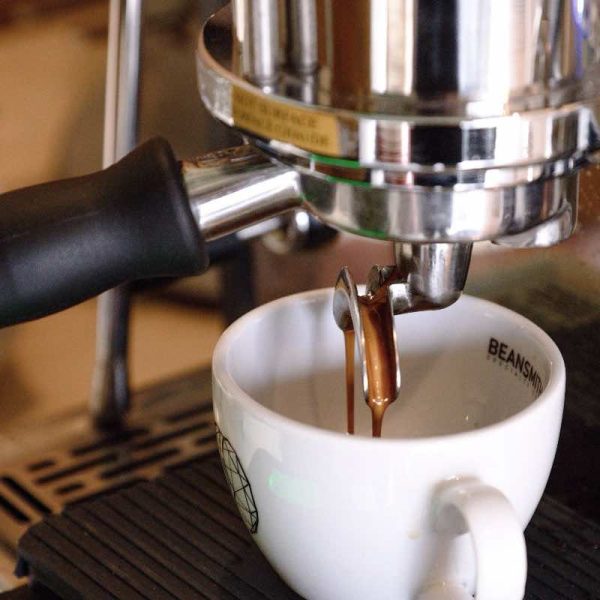
You can drink this coffee as soon as it arrives. However, we recommend waiting a while for it to reach its peak quality and, ideally, brewing it as an espresso three weeks after roasting.
For this coffee, the optimal date is
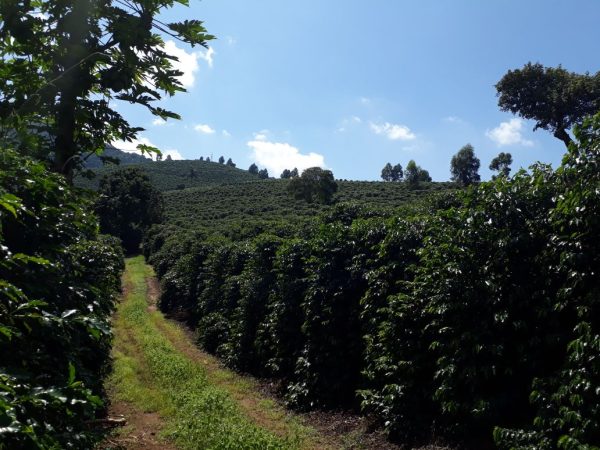
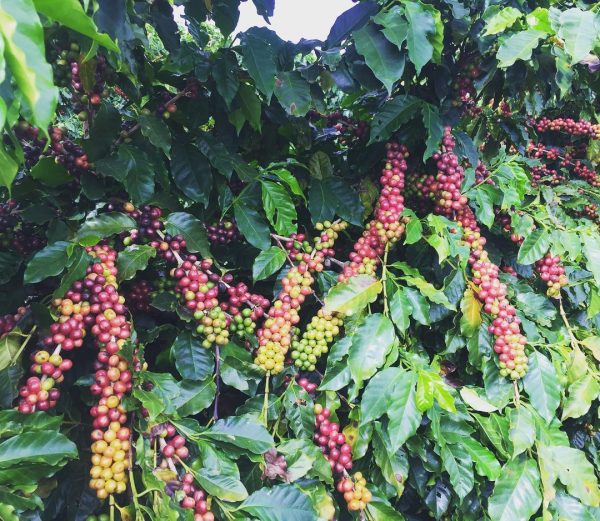
It is always impressive to see how the people behind the Pe de Cedro farm have mastered the entire process of growing and processing coffee. Unlike many other farms in the area, Pe de Cedro grows the Red Bourbon variety rather than the typical Yellow Bourbon. The result is high-quality beans every year, which are very popular with our customers.
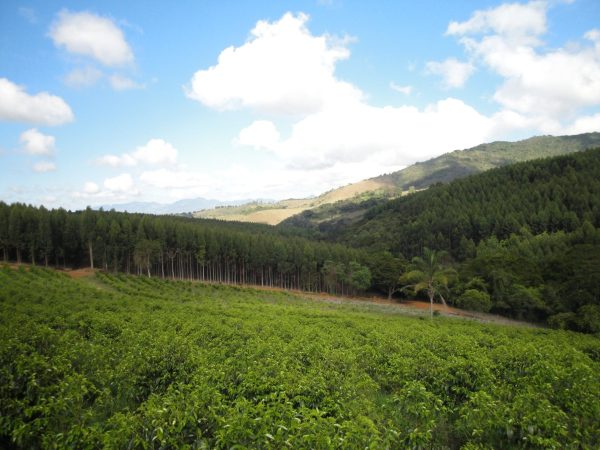
When Edson Morais de Barros bought Pe de Cedro Estate in 2012, it already had a reputation for producing high quality coffee. As the current owner, Edson continues to build the potential of the farm and the Mantiqueira de Minas region. Edson collaborates closely with the team of agronomists from COCARIVE and the Brazil Specialty Coffee Association (BSCA) to produce coffee that showcases the incredible potential of his farm. The agronomists advise on new machinery and processing techniques and innovations in coffee cultivation practices. In addition, Edison has put together a team of coffee production experts who are employed year-round at his farm and the estate’s wet mill. They follow up closely with all day-to-day quality processes.
Pe de Cedro produces coffee in line with the Best Coffee Practices and the region’s coffee traditions that gave Mantiqueira de Minas the Protected Geographical Indication (PGI) certificate. This means the estate follows environmentally friendly practices and uses the approved coffee varieties. COCARIVE gives support to its members in all parts of the production chain. Their team of agronomists and technical experts assists with cultivation techniques, machinery, storage and finally commercialization of the beans. Once parchment is dry, cooperative members send their coffee to the COCARIVE warehouses. The cooperative takes care of grading, commercialization and export. They have their own quality lab and storage and milling facilities in Carmo de Minas.
At the dry mill, where they prepare the coffee for export, COCARIVE has its own laboratory for quality control. Their team of trained cuppers and Q graders makes the first selection based on cup quality. They will verify which lots are suitable and of high enough cup quality for specialty microlots. Their quality control team checks the quality of every lot at a variety of times throughout the dry milling process analyzing both physical green and cup characteristics.
Bourbon is the best-known of the varieties originating from the Bourbon family. It is a tall variety characterised by relatively low yields, susceptibility to the most common diseases, and excellent cup quality. French missionaries brought this variety from Yemen to the island of Bourbon (now Réunion) in the early 17th century – thus giving it its current name. Until the mid-19th century, Bourbon did not leave the island. From the mid-19th century, however, this variety spread to new parts of the world as missionaries sought to establish themselves in Africa and the Americas. Around 1860, Bourbon was introduced to Brazil, from where it quickly spread northwards to other parts of South and Central America, where it is still grown today. There, it interbred with other related varieties, imported from India, and with native Ethiopian varieties. Currently, there are many Bourbon-like varieties in East Africa, but none of them exactly resemble the Bourbon variety found in Latin America. In Latin America, it has now largely been replaced by varieties derived from it (notably Caturra, Catuai and Mundo Novo).
Red Bourbon is the most widespread variant of Bourbon. In Rwanda and Burundi, it is even stipulated by law that Red Bourbon is the only imported variety that may be grown. The main reason for this is the fear of importing coffee diseases, as the Bourbon variety is quite susceptible.
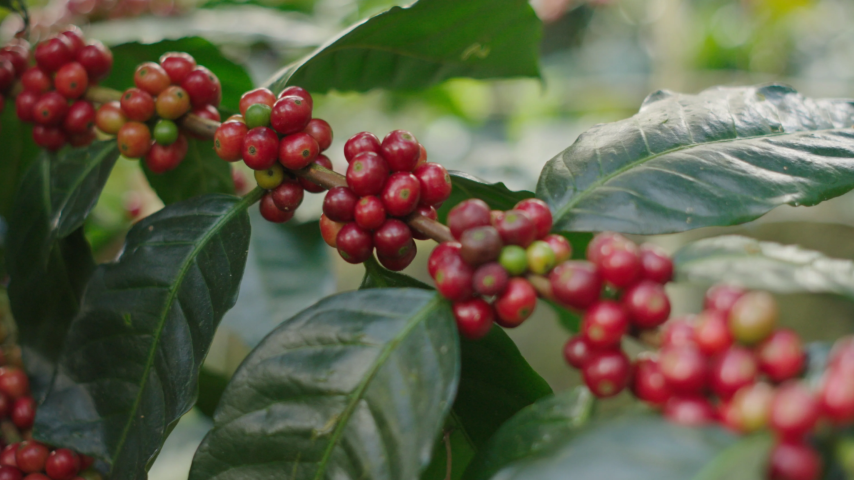
Unlike many of the farms in Brazil, all harvesting at Pe de Cedro is done manually. Additionally, cherry is processed the same day it’s harvested. Pe de Cedro uses a classic Pinhalense pulper that removes the skin and most of the mucilage. The parchment and any remaining mucilage then goes to the drying patio. The quality team spreads out the parchment in a thin layer for drying. They watch over the drying process, raking the parchment regularly so the beans dry slowly and uniformly.
Once dried to a moisture level of 12%, the parchment is moved to wooden bins in the storage room. Here, the beans undergo a necessary resting period to stabilize humidity. One month later, they are sent to COCARIVE warehouses in Carmo de Minas for storage. At COCARIVE, they run various quality checks on the coffee.
One of our favorite returning coffees is back after nearly six months. Pe de Cedro is very easy to dial in. The recipe that worked best for us was a 1 : 2 ratio with a brew time of around 30 seconds.
In the cup, you’ll find notes of dried fruit, most reminiscent of dried apricot and dried mango, complemented by hazelnut cream and a cocoa-dominated finish. Pe de Cedro has a medium body, low malic acidity, and medium to high sweetness.
For milk drinks, we used the same recipe. The coffee tastes remarkably like tiramisu.