
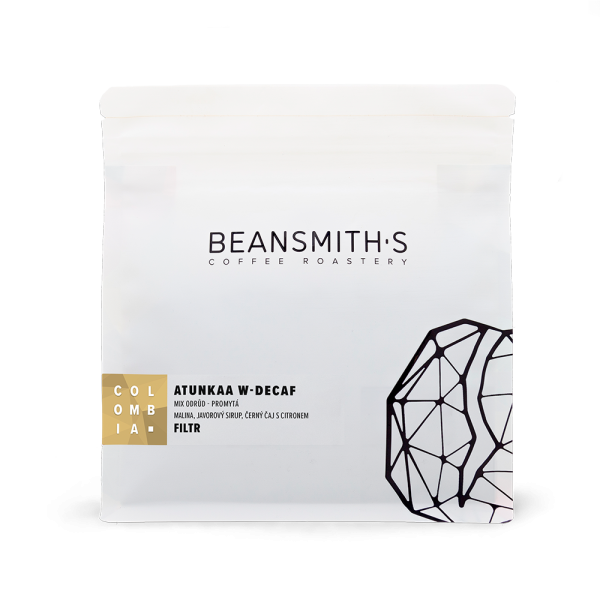








Atunkaa W-Decaf
ColombiaFarm: Atunkaa
Region: Piendamó, Cauca
Altitude: 1700 – 1900 masl
Variety: mix odrůd
Processing: Washed, Decaf
Flavor notes: raspberry, maple syrup, black tea with lemon
Cupping score: 86
Best for: Espresso
AciditaLow
IN STOCK
Dispatched on the day of roasting
ALWAYS FRESH COFFEE
Roasted Mon, Tue & Thu
FREE SHIPPING
Depending on location
coffee
needs time
You can drink this coffee as soon as it arrives. However, we recommend waiting a while for it to reach its peak quality and, ideally, brewing it as an espresso three weeks after roasting.
For this coffee, the optimal date is
As every autumn, washed Atunkaa is now available. We are trying out a new approach, where it is not roasted in the “omniroast” style, i.e. universally, but separately for espresso and filter coffee. We want to fully develop the flavors of this coffee for the given preparation. And the result is worth it. When filtered, it is beautifully clean, sweet, and pleasantly fruity. When made into espresso, on the other hand, it is more syrupy and balanced.
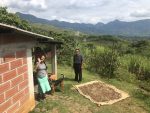
The coffee beans came to us from Siruma. A Colombian company founded five years ago to work with underdeveloped farming communities in Cauca, Caldas and Tolima. The company’s name comes from the indigenous Wayuunaiki language and means ‘sky and sky’.
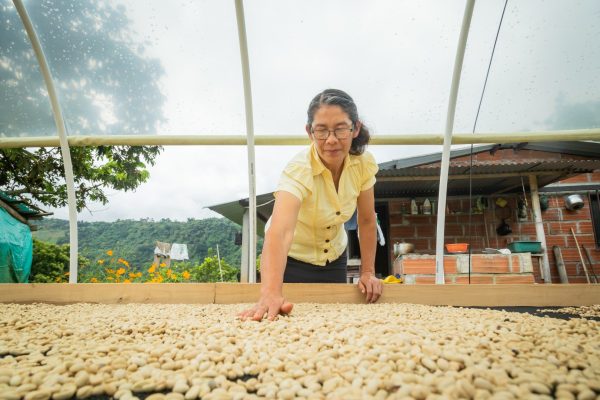
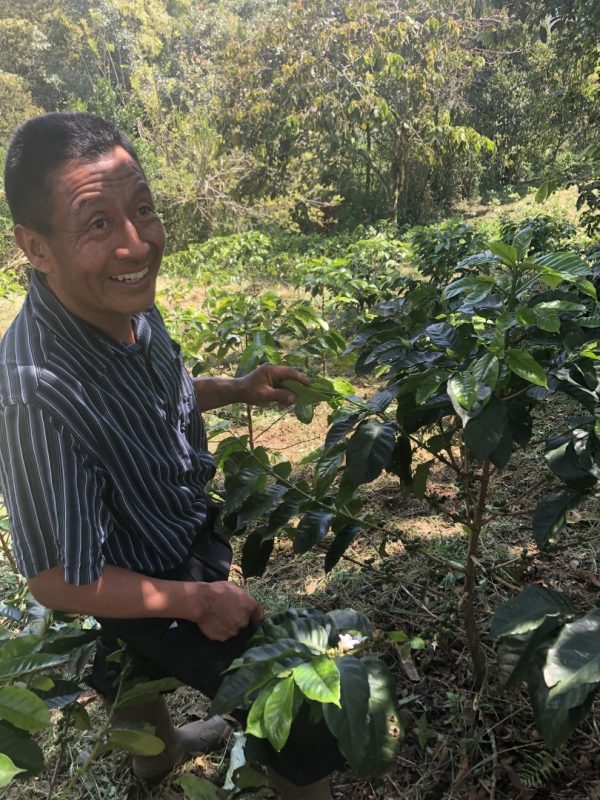
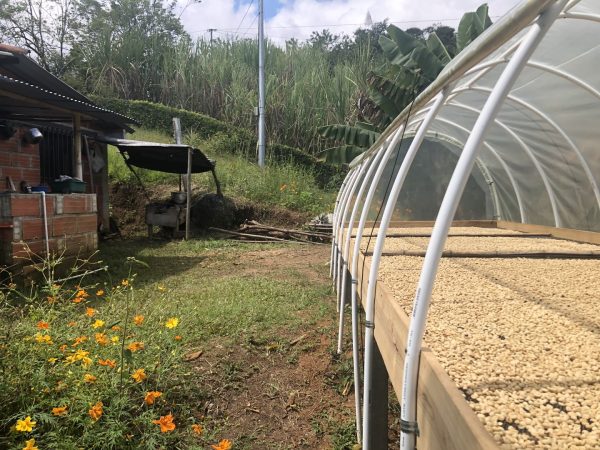
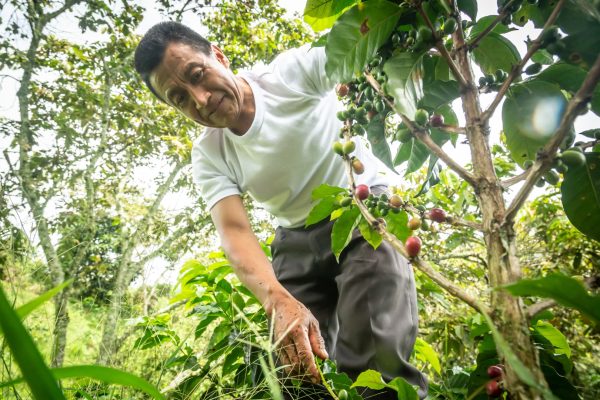
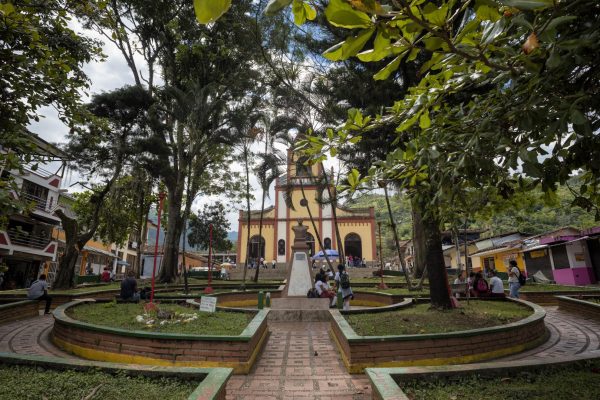
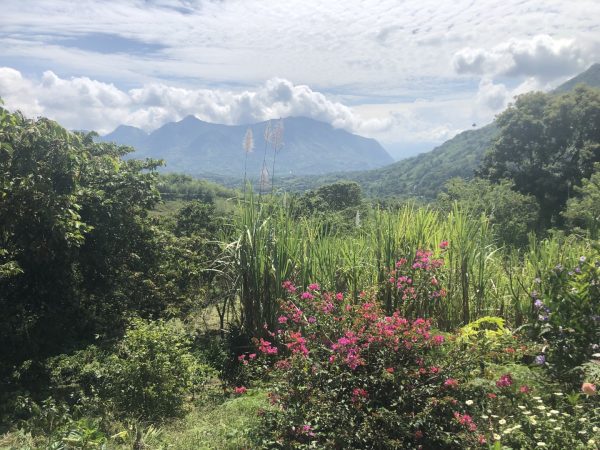
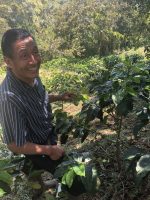
Atunkaa decaffeinated sugarcane coffee represents Siruma’s commitment to transparency and fair pricing for farmers. It comes from the Association for Peace in Central Cauca (ACC) in Piendamó, Cauca province. ACC was founded by a local farmer who wanted to add value to the Castillo coffee variety and ensure a stable income so that neighbours could avoid illegal crops.
Mixed
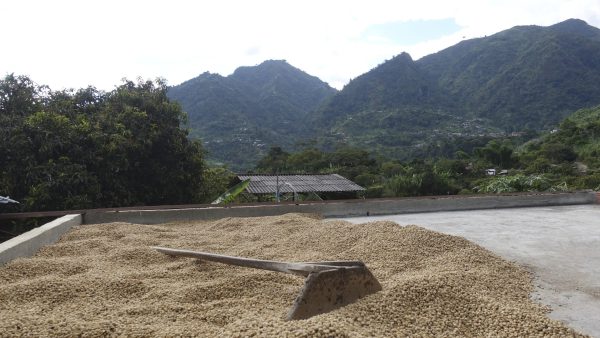
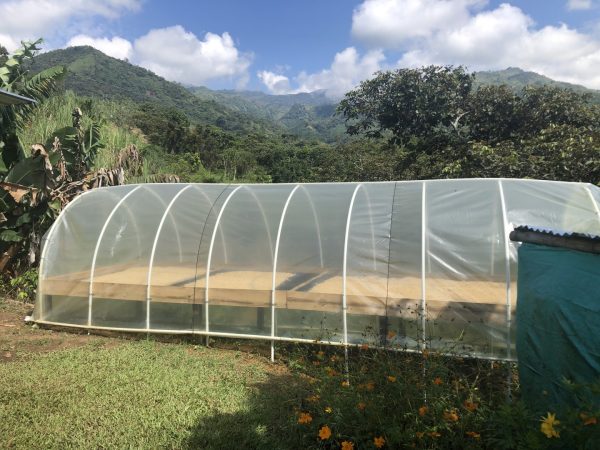
The conventional washing process was followed by a decaffeination process.
The Sugar Cane Decaf Process:
The coffee first undergoes steaming at low pressure to remove the parchment. It is then placed in hot water to swell and soften the beans. This then prepares the coffee to hydrolyse the caffeine, which is bound to the chlorogenic acid salts in the coffee.
The extract (naturally derived from the fermentation of the sugar cane and not from chemical synthesis) is then infused into the pre-prepared coffee which is washed several times with a natural ethyl acetate solvent to reduce the caffeine to the correct level. Once this process is complete the coffee must be cleaned of any remaining ethyl acetate using pressurised steam before moving to the final boxes. From here the coffee is moved to vacuum drying drums where the water previously used to wet the beans is removed and the coffee is dried to 10 to 12%.
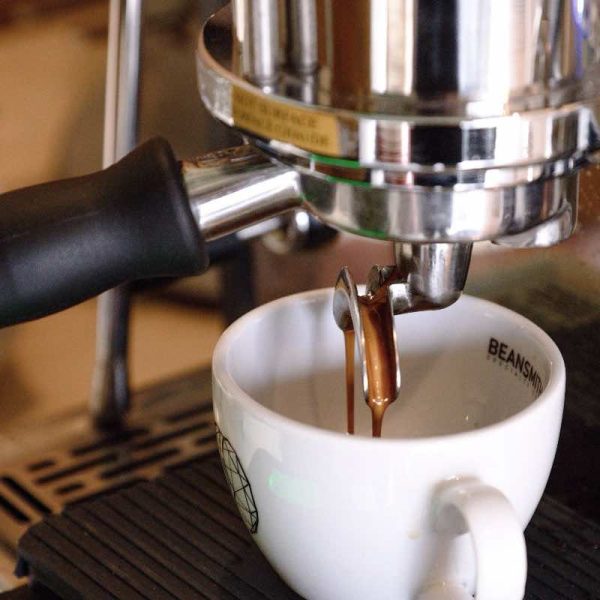
We found the best results with a 1:2 ratio and an extraction time of around 36 seconds. The body is led by a pleasant fruity flavor of kumquat, which gradually transitions into the sweetness of milk caramel and finishes with black tea notes.
In milk, we use the recipe. The coffee remains very gentle, with flavors reminiscent of milk caramel.