





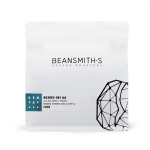







Ngugu-ini AA
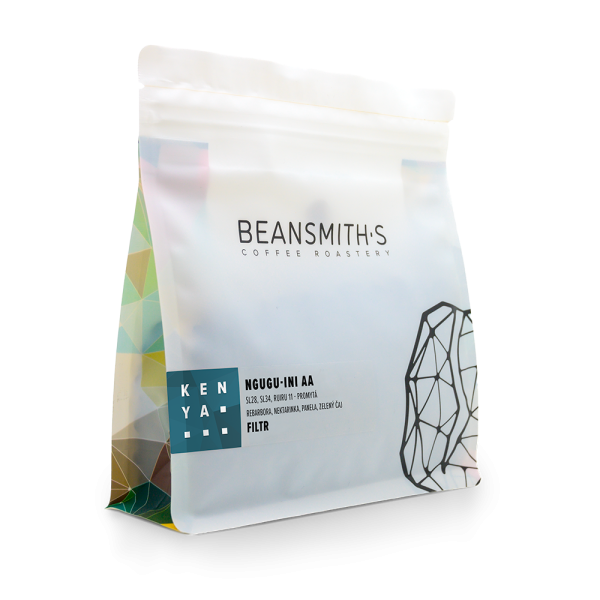
KenyaFarm: Ngugu-ini
Region: Karatina, Kirinyaga County
Altitude: 1600-1700 masl
Variety: SL28, SL34, Ruiru 11
Processing: Washed
Flavor notes: rhubarb, nectarine, panela, green tea
Cupping score: 87
Best for: Filter
AciditaHigh
IN STOCK
Dispatched on the day of roasting
ALWAYS FRESH COFFEE
Roasted Mon, Tue & Thu
FREE SHIPPING
Depending on location

coffee
needs time
You can drink this coffee as soon as it arrives. However, we recommend waiting a while until it reaches its peak quality and brewing it using a filter no sooner than 10 days after roasting.
For this coffee, the optimal date is
This wonderfully juicy Kenyan coffee from the Ngugu-ini washing station is sure to impress you. The combination of fresh acidity and sweetness reminded us of rhubarb, peach, panelu and green tea.
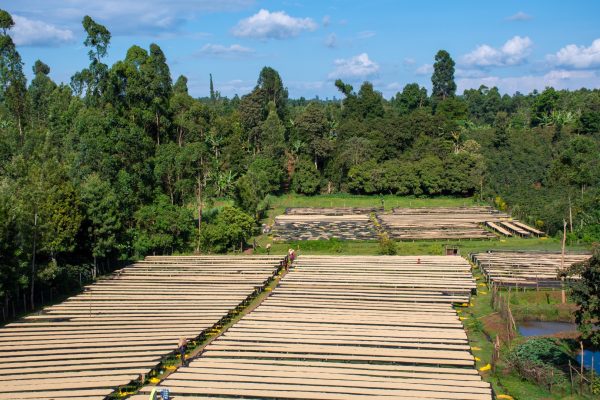
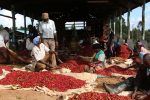
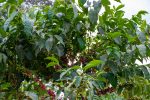
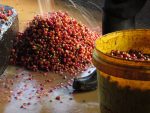
Founded in 1958, Ngugu-ini Wet Mill is part of the Kibirigwi Farmers’ Cooperative Society Limited, which is based in Karatina in Kirinyaga County, within the central highlands of Kenya. The cooperative is one of the oldest in the country and has built a strong reputation for its long-standing commitment to quality coffee production and sound crop husbandry practices. Today, it works with over 1,200 smallholder farmers, each typically cultivating around one acre of land at elevations ranging between 1,600 and 1,650 meters above sea level—conditions that are ideal for producing high-quality Arabica coffee. Located in Kirinyaga County, a region widely regarded for its exceptional coffees, Ngugu-ini Wet Mill operates as a central washing station where farmers deliver freshly harvested coffee cherries. The harvest season generally runs from October through January, during which local pickers selectively harvest only ripe, red cherries to ensure optimal quality.
SL28 is one of the best known and most respected African varieties. From Kenya, where it was originally selected in the 1930s, it has spread to other parts of Africa (it is particularly important in the Arabica growing areas of Uganda) and now to Latin America. The variety is suitable for medium to high altitudes and is drought tolerant, but susceptible to the main coffee diseases. SL28 is characterised by rusticity, a trait that means it can be left untended for several years or even decades and then return to successful production. Many parts of Kenya have SL28 trees that are 60-80 years old and still productive. The variety was selected at the former Scott Agricultural Laboratories (now the National Agricultural Laboratories, NARL, located in Kabete). The individual tree selections made at Scott Laboratories between 1935 and 1939 were prefixed with SL. There were 42 in total and they were examined for yield, quality and resistance to drought and disease. Recent genetic tests have confirmed that SL28 is related to the Bourbon genetic group. It has become valued for its sweet, complex flavour with vinous undertones.
SL34 was originally selected in Kenya in the late 1930s at Scott Agricultural Laboratories. It is very susceptible to major diseases such as coffee rust, coffee berry blight and coffee berry disease. Therefore, proper disease control and prevention strategies are essential for its successful cultivation. Recent genetic tests have shown that SL34 is related to the Typica genetic group. The variety is known for its exceptional cup quality, full body and pleasant acidity.
Ruiru 11 is a variety developed from numerous varieties. Catimor (female parent) x a multi-cross selection including, among others, K7, SL28, N39, and Rume Sudan (male parent). This Kenyan high-yielding, dwarf/compact hybrid is tolerant to coffee rust and resistant to coffee berry disease (CBD). In terms of flavor, Ruiru 11 is not particularly interesting and has a slightly earthy profile.
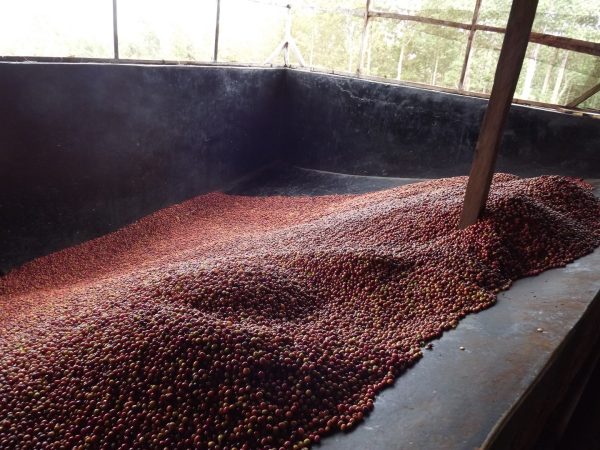
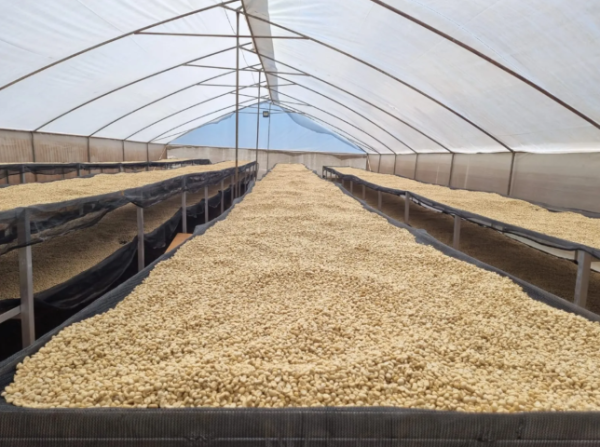
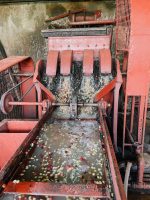
Processing at Ngugu-ini follows the traditional Kenyan fully washed method, known for producing coffees with bright acidity and clean, complex flavor profiles. After delivery, cherries are pulped using disc pulpers to remove the outer skin, leaving the beans coated in mucilage. Water is used to transport the beans through channels, where initial quality separation takes place based on density—heavier, higher-quality beans sink, while lighter, lower-quality beans float. The parchment is then transferred into fermentation tanks, where it undergoes dry fermentation for approximately 24 hours. During this stage, the mucilage breaks down, and the beans develop a characteristic rough, pebble-like texture. Once fermentation is complete, the beans are thoroughly washed in clean water channels, allowing for further removal of defects and lower-density beans.
A dense, sweet cup with dominant notes of black currant. Ngugu-ini is defined by vibrant fruity notes of rhubarb and black currant, supported by the sweetness of stone fruit. In the finish, you’ll find a subtle umami-like character reminiscent of green tea.
The coffee has medium to high malic–citric acidity and medium sweetness. Overall, you can look forward to a dense, full-bodied cup with bold fruity notes.
Recommended UFO recipe with F-type filters:
- Water temperature: 93 °C
- Water: 250 ml
- Coffee: 15 g
- Grind size: 900 microns (28 clicks on Comandante)
Pouring schedule:
- 0:00 – 50 ml water
- 0:30 – 100 ml water
- 1:00 – 150 ml water
- 1:30 – 200 ml water
- 2:00 – 250 ml water
Total brew time: approximately 2 minutes and 40 seconds.
We recommend the following coffee recipe for the Fellow Aiden and Ode combination:


Set the parameters on Fellow Aiden for individual recipes using the link in the image above.
300 ml (recipe 1+5)
1000 ml (recipe 1+8)
– 65 g of coffee
– Grind setting Ode: 8