
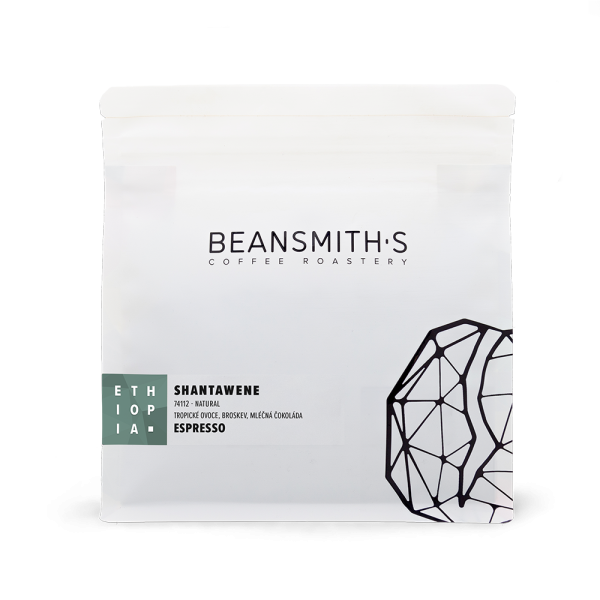




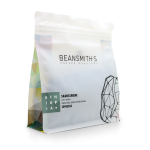
Shantawene
EthiopiaFarm / Processing station: Gafisse
Region: Shantawene village, Sidama, Bensa Area
Altitude: 1990 – 2190 masl
Variety: 74112
Processing: Natural
Flavor notes: tropical fruit, peach, milk chocolate
Cupping score: 87
Best for: Espresso
AciditaMedium
IN STOCK
Dispatched on the day of roasting
ALWAYS FRESH COFFEE
Roasted Mon, Tue & Thu
FREE SHIPPING
Depending on location
coffee
needs time
You can drink this coffee as soon as it arrives. However, we recommend waiting a while for it to reach its peak quality and, ideally, brewing it as an espresso three weeks after roasting.
For this coffee, the optimal date is
You’re definitely going to love this espresso. It’s wonderfully sweet and juicy. Simply a fruit explosion!
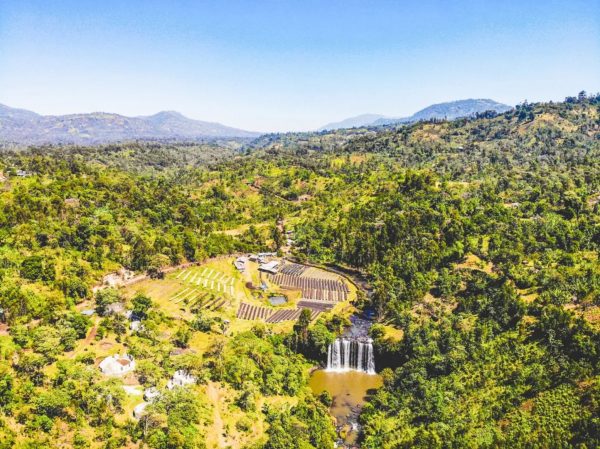
Shantawene cherries are processed at Gafisse Washing Station, in Shantawene village, Sidama, Bensa Area, Ethiopia. Shantawene is situated between the village of Bombe and the Bombe mountain. The contributing producers are part of Daye Bensa member organization consisting of 1100 out-growers located in various parts of the mountain range at an elevation range between 1990 and 2190 meters above sea level. The main varieties grown and processed are JARC 74112 & cultivated local varieties.
Daye Bensa, renowned for producing high-quality coffees, operates the Shantawene Gafisse Washing station, where they have been instrumental in spreading knowledge of improved processing techniques across their network. Notably, the 2020 #7 Cup of Excellence coffee was processed at this station, sourced from the nearby Gatta speciality farm. To enhance their offerings, Daye Bensa is investing in upgrading processing equipment at Shantawene, enabling them to explore innovative processing varieties, such as the farmers’ Heirloom Shantawene coffee. Moreover, the station plays a key role in the development of the new dry fermented process. Notably, Daye Bensa is receiving cherries primarily from producers practicing organic methods, leading to their organic certification in 2020. They also hold other certifications, including UTZ and RainForest Alliance. Maintaining their commitment to quality, Daye Bensa directly sources cherries from farmers who adhere to best harvesting practices. The company meticulously separates defected and unripe/overripe cherries, while implementing consistent processing procedures and employing reliable storage and defect detection techniques during milling and hulling. Daye Bensa collaborates with various out-grower communities, receiving cherries from multiple washing stations in the Bensa, Sidama area, some of which they own. Among the notable stations are Bombe, Hamasho, and Keramo, with whom our European counterparts have been working for the past 6 years.
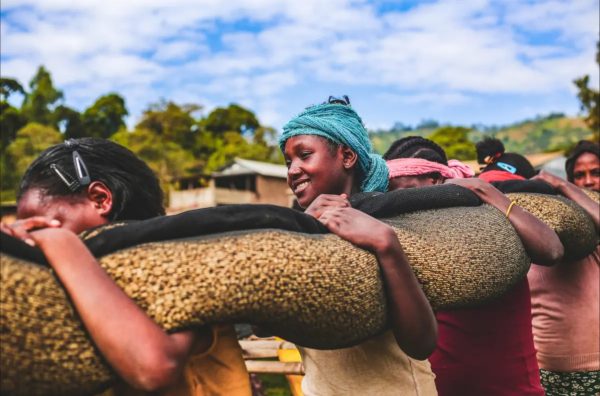
This lot is made up of a mix of original Ethiopian varieties called Heirloom. This name can refer to hundreds or even thousands of different types of coffee trees. In Ethiopia, as in most other African countries, it is common for dozens to hundreds of small farmers and families to contribute to a single lot of coffee. They have owned coffee trees for generations, the origin of which is unknown.
Variety 74112 is selections of the same species from Heirloom.

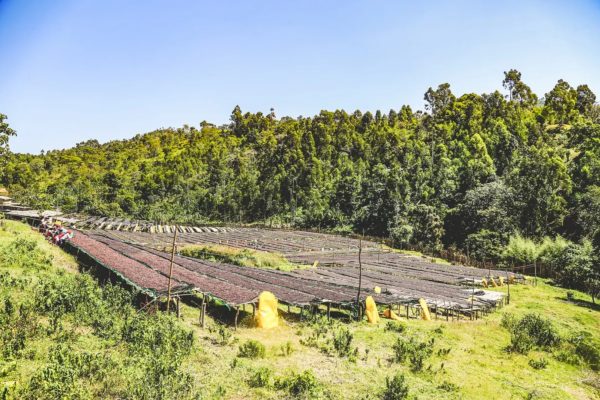
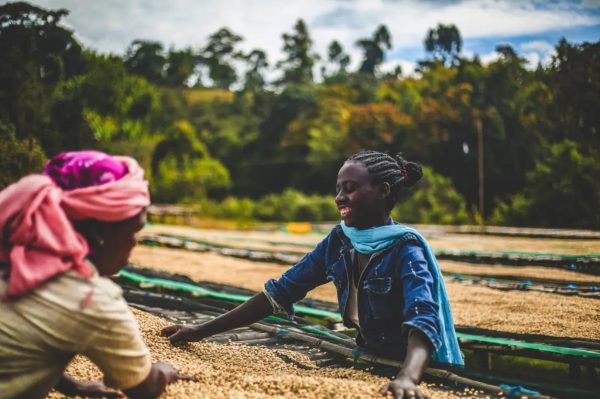
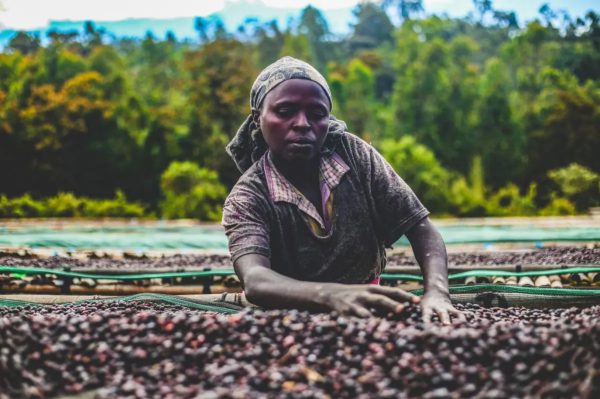
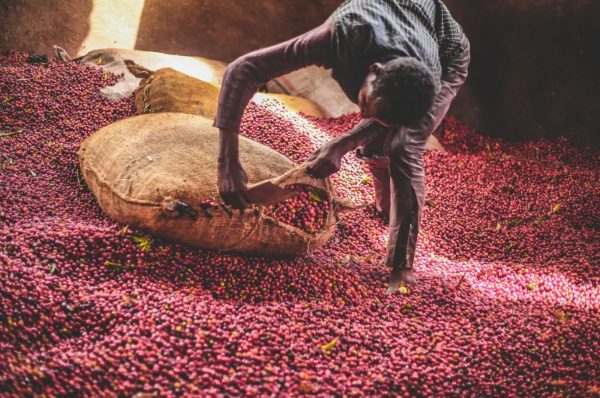
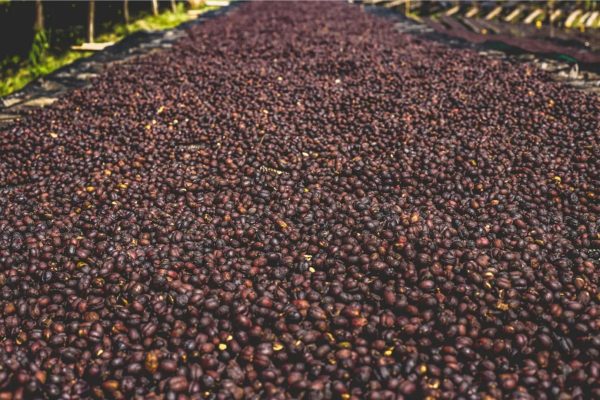
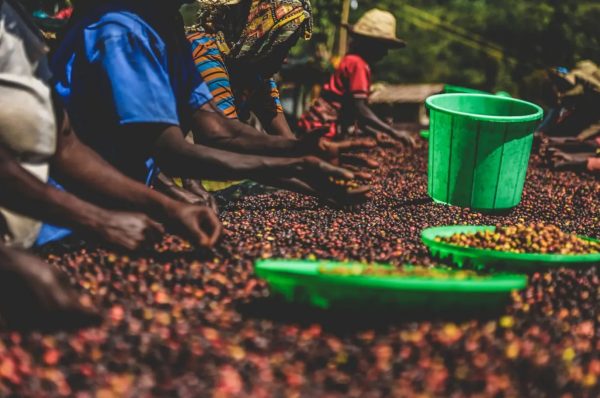
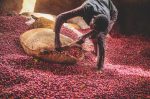
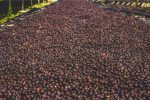
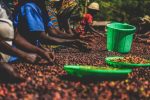
The natural Shantawene is made from well selected, ripe cherries. The cherries are floated and then sorted out again to remove any unwanted cherries. Afterwards, they are dried on African beds for 12 to 15 days. The cherries are locally hulled into unsorted natural beans, and then transported to Addis for final sorting.
A juicy, fruity espresso.
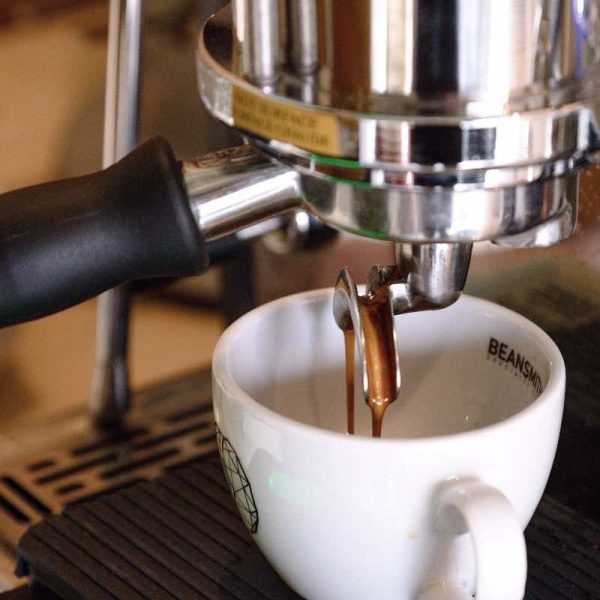
Shantawene is exactly the kind of espresso we could drink every day. It’s easy to dial in and very consistent on the grinder. The recipe that worked best for us was a 1 : 2 ratio with a brew time of around 26 seconds.
The cup is dominated by notes of tropical fruit and peach, followed by a pleasant, long-lasting milk chocolate finish. Shantawene has medium phosphoric–malic acidity and medium sweetness.
For milk drinks, we used the same recipe, and the coffee tastes just like peach pie in milk. A beautiful example of Ethiopian coffee.