












Kibingo
BurundiFarm: Kibingo
Region: Kayanza
Altitude: 1700-1900 masl
Variety: Red Bourbon
Processing: Anaerobic Intenso Yeast natural
Flavor notes: hibiscus, cherry compote, port wine
Cupping score: 87.5
Best for: Filter
AciditaMedium
IN STOCK
Dispatched on the day of roasting
ALWAYS FRESH COFFEE
Roasted Mon, Tue & Thu
FREE SHIPPING
Depending on location

coffee
needs time
You can drink this coffee as soon as it arrives. However, we recommend waiting a while until it reaches its peak quality and brewing it using a filter no sooner than 10 days after roasting.
For this coffee, the optimal date is
Coffee from the Kibingo processing station is back in our offer, and it’s absolutely fantastic (as always). It’s very expressive, but also complex. Beautifully juicy, sweet, and fruity. You’ll find notes of hibiscus tea, cherry compote, and port wine.
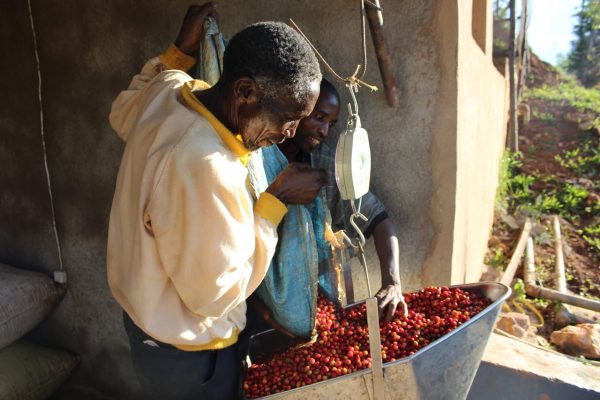
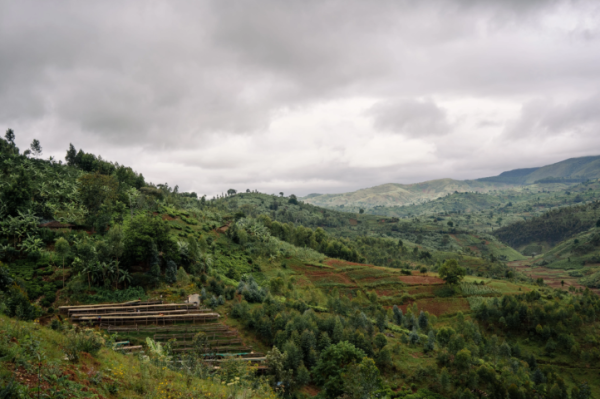
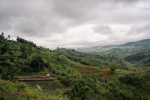
Kibingo washing station is in the commune of Kayanza in northern Burundi. The station itself sits 1,893 meters above sea level. The altitude of the farms in the neighboring hills that supply the washing station varies from 1,700 to 1,900 meters above sea level. Kibingo serves 1,739 registered coffee growers, spread over 18 hills in the area. All producers registered at a Greenco washing station are organized in groups of 30 people, headed by a farm leader. This leader acts as a spokesman to facilitate communication and organization with the washing station.
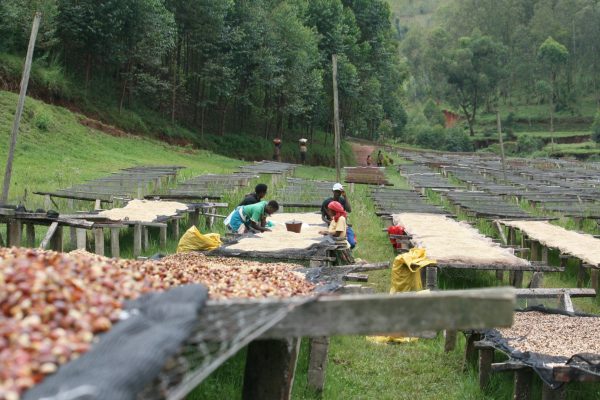
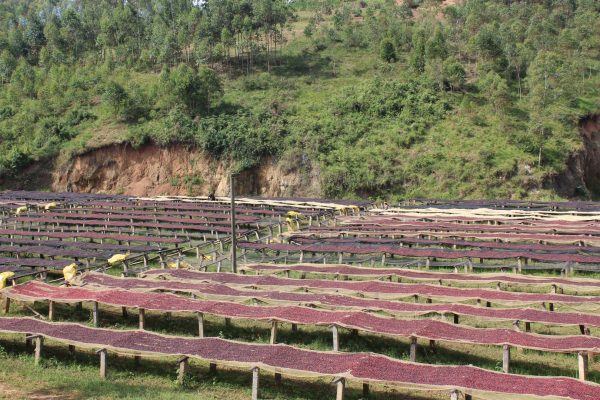
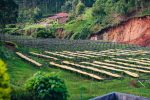
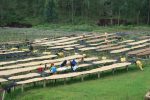
The washing station is equipped with 10 fermentation tanks, 2 soaking tanks and a drying field with 165 drying tables and 4 pre-drying tables. Kibingo can process 750,000 kg of cherry per day. At the washing station, farmers can obtain organic fertilizer from composted coffee pulp. To promote farm renovation, producers can get low-cost, subsidized coffee seedlings at the washing station. Each station has its own nursery for this purpose. The washing station participates in a number of farmer outreach and support projects including a livestock rearing project and a range of projects centered on strengthening cooperatives and improving yields.
Greenco, a company that oversees and structures washing stations in Kayanza province of Burundi, gives washing stations and producers support all along the production chain. They started their work in 2015, and have dominated all Cup of Excellence competitions in Burundi ever since. Currently, Greenco has 13 washing stations all located in Kayanza in the north of Burundi. The producers receive support from the Greenco CWS managers, who are all agronomic engineers. Greenco’s overall impact through these 13 central washing stations (CWS) extends to over 15,210 coffee producing households.
Bourbon is the most famous of the varieties from the Bourbon family. It is a tall variety characterised by its relatively low production, susceptibility to the most common diseases and excellent cup quality. French missionaries brought this variety from Yemen to the island of Bourbon (now Réunion) in the early 17th century, giving it its present name. Bourbon did not leave the island until the mid-19th century. From the mid-19th century, however, the variety spread to new parts of the world as missionaries sought to establish themselves in Africa and America. Around 1860, Bourbon was imported to Brazil, from where it quickly spread north to other parts of South and Central America, where it is still grown today. Here it has mixed with other related varieties imported from India and with Ethiopian native varieties. Today, there are many Bourbon-like varieties in East Africa, but none of them exactly resembles the Bourbon variety found in Latin America. In Latin America, it has now largely been replaced by varieties derived from it (notably Caturra, Catuai and Mundo Novo).
Red Bourbon is then the most widely produced Bourbon variant. In Rwanda and Burundi it is even legislated that Red Bourbon is the only imported variety that can be grown. This is mainly due to the fear of importing coffee diseases, as the Bourbon variety is quite sensitive.

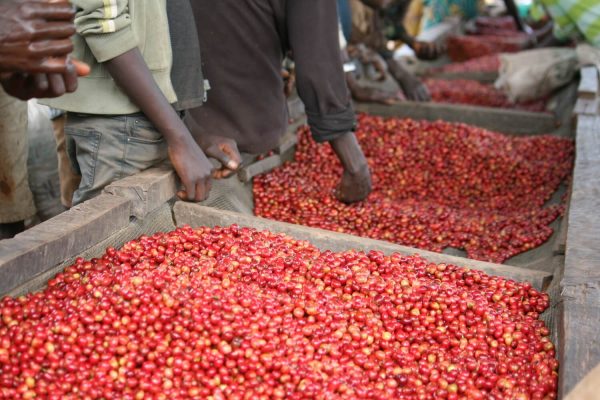
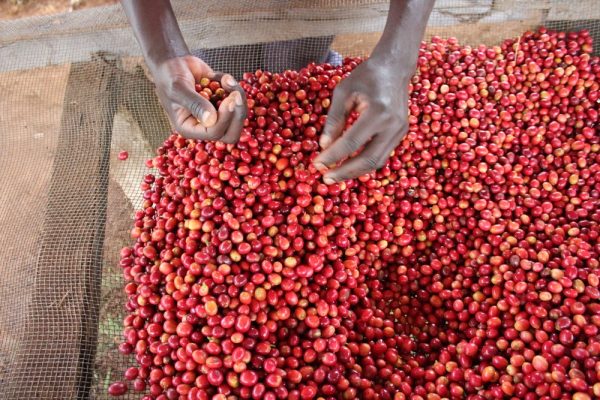
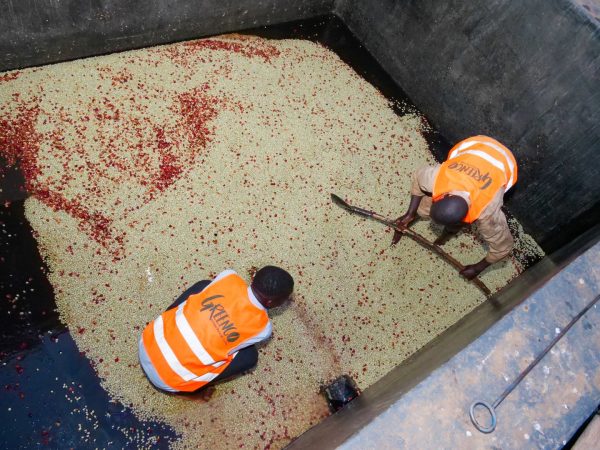
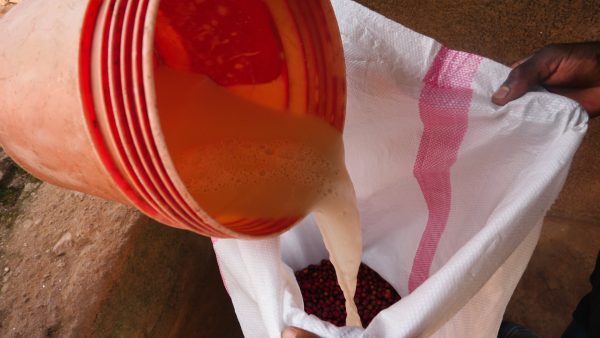
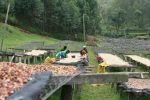
During the harvest season, all coffee is selectively handpicked. Most families only have 200 to 250 trees, and harvesting is done almost entirely by the family. Cherry is placed in containers and Intenso yeast purchased from the French company Lalcafe is added. The cherry is left to ferment in this environment for approximately 36 hours.
LALCAFÉ INTENSO™ yeast (Saccharomyces cerevisiae) was specially developed for coffee production over a four-year period of research and trials. Trials in various regions and environments showed that Intenso is well suited to better control processing efficiency and to upgrade the cup quality. The yeast is able to control the fermentation process against the risk of spoilage micro-organisms that can generate undesirable defects. Furthermore, its specific metabolism and high capacity even at cold temperatures (minimum 15°C inside the coffee tank) allow for the expression of fresh and fruity characteristics of the coffee beans while respecting the unique flavors of each lot.
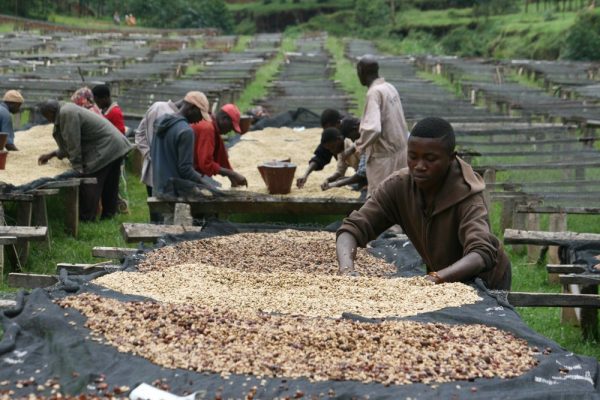
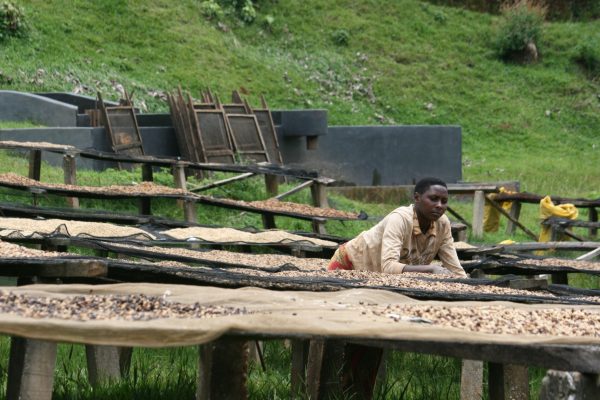
After fermentation, cherry is carried to the drying tables, where they will dry slowly for 2 to 3 weeks, during which time the cherry is repeatedly sorted and sifted to ensure even drying. Cherry is left to dry from sunrise to sunset and is covered with a sheet during the evening or when it rains. The moisture level is carefully monitored and any cherry with visual defects is removed. Once dry, coffee is then bagged and taken to the warehouse. Greenco’s team of expert cuppers assess every lot (which are separated by station, day and quality) at the lab. The traceability of the station, day and quality is maintained throughout the entire process.
A fruity filter full of dense red-toned flavors. When preparing this coffee, you have two options: grind finer (around 540 microns) to highlight more boozy notes and a slightly astringent phosphoric–malic acidity, or grind coarser (around 900 microns) to achieve a smoother and cleaner profile.
We chose the second option, as we prefer a clearer acidity. This results in a more delicate body with a bright medium phosphoric–malic acidity and medium sweetness. After the first sip, you’ll experience a range of red fruit notes, with hibiscus and a rich cherry flavor—reminiscent of stewed cherries—standing out the most. The finish is long-lasting, with a port wine–like character.
Recommended UFO recipe:
- Water temperature: 94 °C
- Water: 250 ml
- Coffee: 15 g
- Grind size: 900 microns (30 clicks on Comandante)
Pouring schedule:
- 0:00 – 50 ml water
- 0:30 – 100 ml water
- 1:00 – 150 ml water
- 1:30 – 200 ml water
- 2:00 – 250 ml water
Total brew time: approximately 2 minutes and 45 seconds.
We recommend the following coffee recipe for the Fellow Aiden and Ode combination:


Set the parameters on Fellow Aiden for individual recipes using the link in the image above.
300 ml (recipe 1+5)
– 20 g of coffee
– Grind setting Ode: 4.2
1000 ml (recipe 1+8)
– 65 g of coffee
– Grind setting Ode: 5.2